A walk for the curious geologist
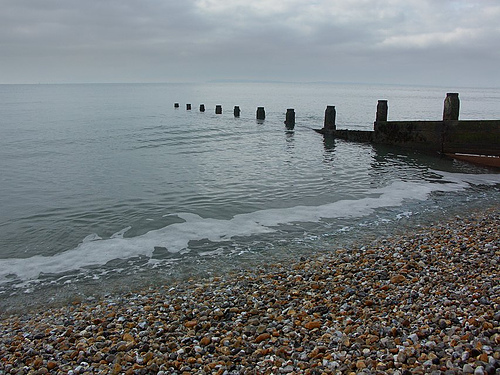
The shingle strand that frames Bracklesham Bay is not just a backdrop for seaside strolls; it is a living textbook of the Eocene epoch. A short walk from the car park reveals sediment layers that shift colour and texture underfoot, each telling a story of ancient marine life and climatic change. Bring a field guide or a simple hand‑lens to examine fossilised shells and occasional shark teeth that surface after a tide. The best time for this natural fieldwork is low tide in early autumn, when the water recedes far enough to expose the stratified cliffs without the crowds of summer beachgoers.
Local fare beyond fish and chips
While the cafés lining the promenade serve the expected battered cod, the villages that ring the bay harbour a quieter culinary tradition. In Bracklesham, pop into the modest tea room that sources its scones from a family farm in the South Downs, and try the locally pressed apple cider, a crisp companion to the area’s mushroom foraging season. East Wittering’s weekly market, held on Saturdays, offers hand‑rolled pastry filled with Sussex lamb, a subtle nod to the county’s pastoral heritage. These modest indulgences give a fuller taste of the coast beyond the tourist‑focused menus.
Comparing the coastal character
Bracklesham Bay sits in a subtle contrast to its more celebrated neighbours such as Brighton or the iconic cliffs of Dover. Its shoreline is flatter, with expansive shingle intertidal zones that invite long, uninterrupted walks rather than dramatic cliff‑top vistas. The view of the Isle of Wight across the channel is framed by a gentle horizon, offering a calmer visual rhythm. For travellers seeking a coastal experience that feels less staged and more attuned to natural processes, Bracklesham provides a measured alternative to the bustling promenade culture of larger seaside towns.